Air freight
For launch stock, replenishment, and anything where a stockout costs more than the rate difference.
Solutions · China freight forwarding
Air, sea, rail, and express freight from Shenzhen and the Pearl River Delta to more than 200 countries. One bilingual agent stays on the file from the first quote to the final delivery, with customs documents prepared in-house rather than handed to a stranger.
Choose the mode
Most freight decisions come down to the gap between when cargo is ready and when it has to sell. We quote across all four modes instead of defending one.
For launch stock, replenishment, and anything where a stockout costs more than the rate difference.
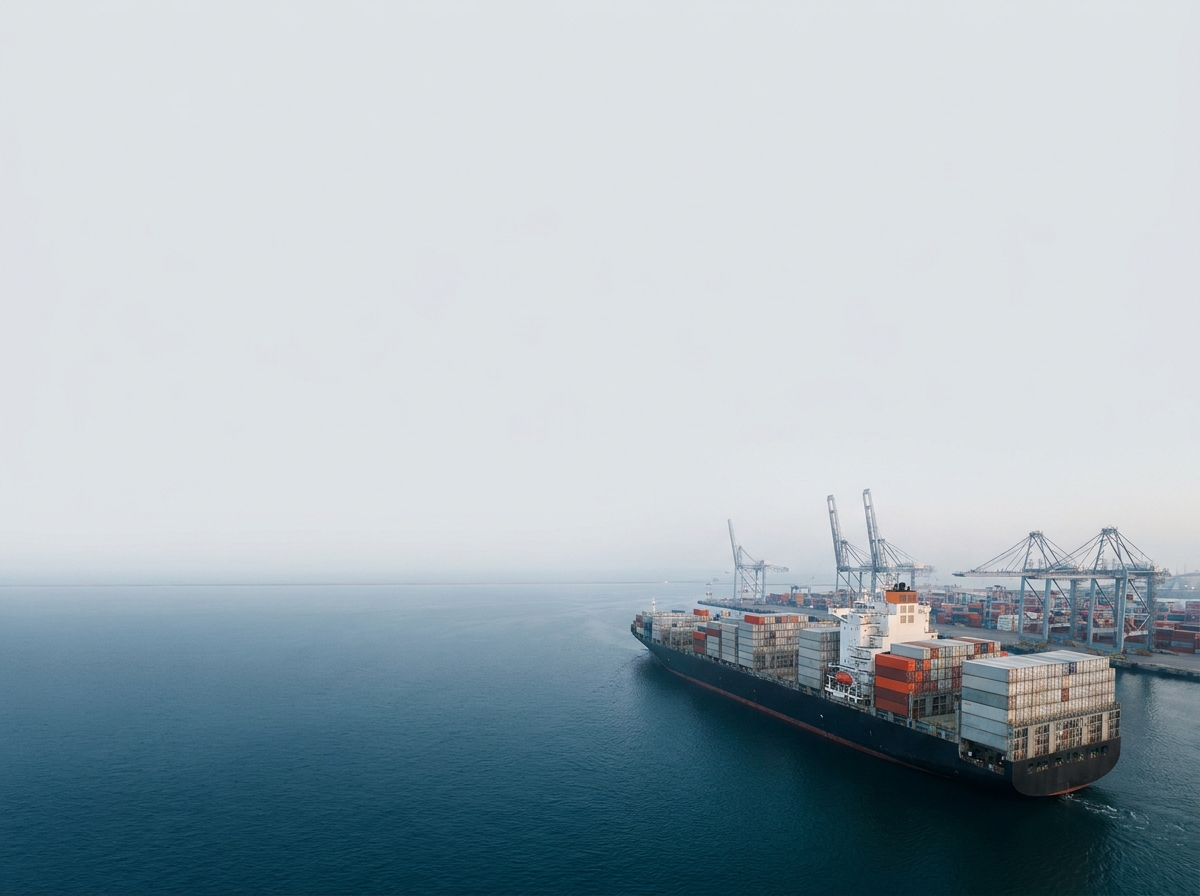
FCL and LCL for planned volume. The default for anything that is not fighting a deadline.
China–Europe block trains. Faster than the ocean leg, cheaper than the aircraft.
DHL, FedEx, and UPS routing for samples, spares, and small parcels, door to door.
How we operate
Booking space is the commodity part. The value sits in the three things below, which is where most freight relationships quietly fail.
A bilingual agent owns your file end to end, reachable on WeChat, email, and phone. No ticket queue, no re-explaining the shipment to whoever picks it up.
One number covering freight, fuel, origin charges, customs, and destination. Surcharges named at quote time, not discovered on the invoice.
Classification, filings, and entry documents are prepared by our own team. When a deadline is missed, there is one place to look.
Mode planner
These are planning ranges, not promises — final transit depends on origin pickup, customs, commodity, and the receiving address. Pick the row that fits the deadline, then open the lane page for the detail.
| Mode | Best for | Planning range |
|---|---|---|
| Air freight | Launch stock, urgent replenishment, high value density | 3–7 days |
| Express courier | Samples, spares, small parcels under a few hundred kg | 3–7 days |
| Rail freight | Europe-bound volume that cannot wait for the ocean leg | 18–22 days |
| Sea freight (FCL) | Planned volume above roughly 12–15 CBM | 13–38 days |
| Sea freight (LCL) | Smaller or multi-supplier volume, priced by CBM | +5–8 days |
How it works
Origin, destination, cargo, volume, and the date it has to arrive. You get compared modes with an all-in rate inside 24 hours.
We book the sailing or flight and prepare the invoice, packing list, classification, and any filings the destination requires.
Vessel or flight milestones, customs status, and exceptions arrive in one place instead of six carrier portals.
Customs entry, duty, drayage, and final-mile delivery to your door, DC, or fulfilment centre.
FAQ
What a forwarder does, how to choose one, and what drives the number.
A forwarder arranges the movement rather than owning the aircraft or vessel: booking space, collecting cargo from suppliers, consolidating, preparing export documents, classifying goods, handling customs on both ends, and coordinating final-mile delivery. The practical difference between forwarders is how much of that they do themselves versus subcontract — we prepare classification and filings in-house, which is why a missed deadline has one owner rather than three.
Ask three things. Who is my contact and do they stay on the file? Is the quote all-in, and which surcharges are excluded? Who prepares the customs filings — you or a subcontractor? Vague answers to those questions predict the problems you will have later far better than the headline rate does.
There is no flat number, and any forwarder quoting one without your cargo profile is guessing. Ocean rates move with carrier general rate increases, fuel adjustment, season, and capacity; air prices on chargeable weight. Send cargo type, volume or carton dimensions, origin, destination, and target date and you will have an all-in comparison across modes within 24 hours.
Yes. Export clearance in China is handled by our own team, and destination entry is either filed by us — as with US CBP entries — or passed to a coordinated broker with a complete document set. The distinction matters, so we state which applies on the lane you are quoting.
They set where responsibility and cost transfer. Under EXW you take over at the supplier's door and own everything after it. Under FOB the supplier delivers to the origin port and you own the freight onward. Under DDP we deliver to your destination with duty and taxes paid, so the number you agree is the landed cost. Most first-time importers are better served by DDP or FOB than EXW.
Start with the cargo
Tell us the cargo, origin, destination, and the date it has to arrive. One agent replies with compared rates across air, sea, rail, and express — no obligation.
Tell us the cargo, origin, destination, and the date it has to arrive. One agent replies with compared rates across air, sea, rail, and express — no obligation.