Samples
Pre-production samples and approval pieces that decide whether a purchase order is placed at all.
Solutions · Express courier
DHL, FedEx, and UPS routing out of Shenzhen, Guangzhou, and Hong Kong, booked at our contracted rates. Door to door with one tracking number — and an honest answer about when your shipment has outgrown express and belongs on air freight.
What express is for
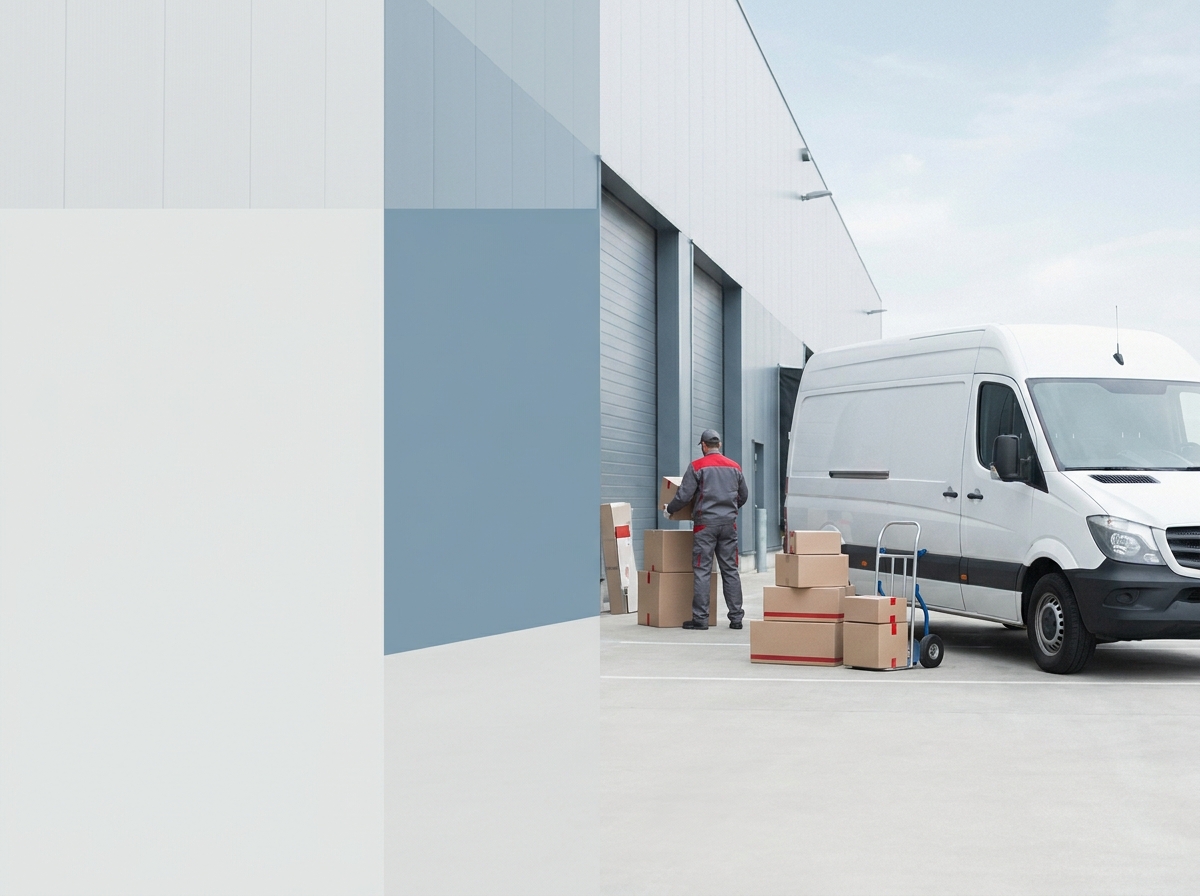
It is the fastest way to move a parcel out of China and the most expensive way to move a pallet. Knowing where the line sits is most of the value.
Pre-production samples and approval pieces that decide whether a purchase order is placed at all.
A single component holding up a repair, a commissioning, or a customer.
Low-volume replenishment and direct-to-customer parcels where simplicity beats the rate.
Original bills of lading, certificates, and signed contracts that must arrive intact.
Where express stops making sense
Express is priced per shipment on chargeable weight with the customs and delivery bundled in. As weight grows, that bundle stops being a bargain — here is roughly where each threshold sits.
| Signal | What it means | Better option |
|---|---|---|
| Above roughly 100–200 kg | Per-kilo express rates lose to consolidated air freight | Air freight |
| Bulky, low-density cartons | Volumetric weight inflates the express charge sharply | Air freight |
| Batteries or dangerous goods | Express acceptance is narrower than air freight acceptance | Air freight, screened |
| High declared value | Duty and clearance need a proper entry rather than express clearance | Air freight + broker |
| Recurring replenishment | A planned cadence prices better than repeated urgent parcels | Air or sea |
How it works
We check DHL, FedEx, and UPS routing and rate for the specific destination, and confirm the volumetric weight before booking.
Pickup from the supplier or our Shenzhen warehouse, with cartons weighed and measured so the charge is not revised later.
The parcel moves door to door on a single tracking number, with customs handled under the express clearance process.
Delivery to the address with duty either prepaid by you or billed to the receiver, as agreed at booking.
FAQ
Transit, cost against air freight, weight limits, batteries, and duty.
Typically 3–7 days door to door to most major markets, sometimes faster to Europe and North America from Hong Kong. Customs is handled under a simplified express process, which is the main reason it beats air freight on small shipments — the paperwork moves with the parcel rather than needing a separate entry.
For genuinely small shipments, yes, because customs and final-mile delivery are bundled into one price. As weight rises the economics invert, and somewhere around 100–200 kg consolidated air freight usually becomes cheaper per kilo even after the extra handling. We price both when a shipment is near that line rather than defaulting to whichever is easier to book.
There is no hard limit, but there is a practical one. Carriers apply surcharges for heavy or oversized pieces, and volumetric weight on bulky cartons can multiply the charge well beyond what the scale suggests. If a shipment is over roughly 100–200 kg or unusually bulky, ask for an air freight comparison before booking express.
Acceptance is narrower than for air freight and varies by carrier, chemistry, watt-hour rating, and whether the cell is installed in a device. Some configurations are accepted routinely, others not at all. Send the battery details before booking — an express parcel refused mid-network is considerably more disruptive than one that was routed correctly from the start.
Either you or the receiver, and it should be decided at booking. Under delivered-duty-paid terms we settle it and include it in the price. Otherwise the carrier bills the receiver before release, which for a consumer delivery is a common cause of refused parcels and returns.
Express quote
Send the carton size, weight, and destination. If express is the right answer you get a rate; if the shipment has outgrown it, you get the air freight number instead.
Send the carton size, weight, and destination. If express is the right answer you get a rate; if the shipment has outgrown it, you get the air freight number instead.