Electronics
Devices and components screened for cell content before a mode is quoted.
Industries
A container is a container. Everything else changes. Industry logistics from China means the packing method, the compliance file, the container type, and the delivery sequence are different for a pallet of solar panels than for a crate of medical analysers — and quoting them the same way is how shipments get refused.
Six industries
Each page covers the handling model, the document set, the failure modes we watch for, and the questions importers in that industry ask before booking.
Devices and components screened for cell content before a mode is quoted.
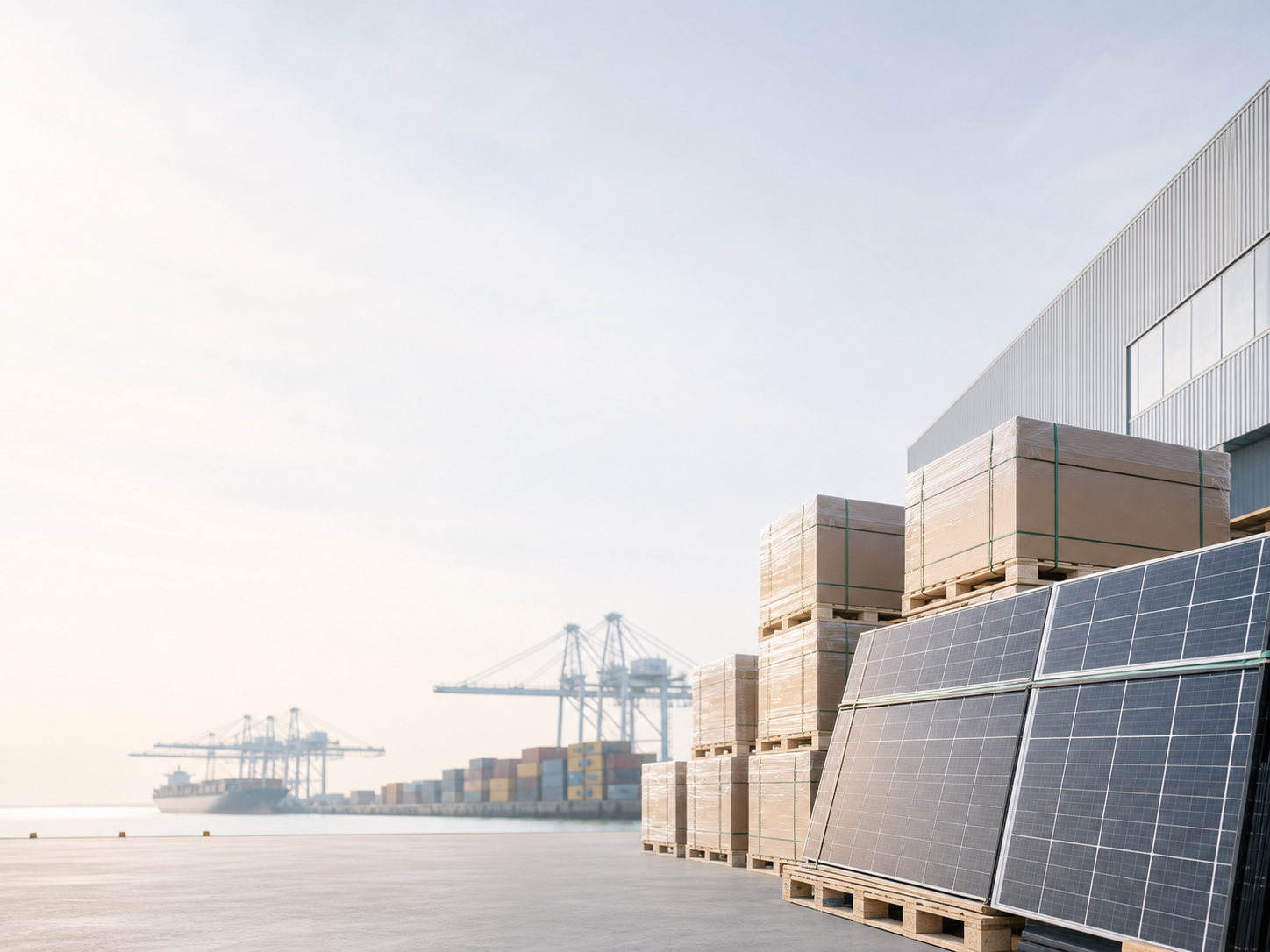
Panels, inverters, and mounting systems phased against the site schedule.
Flat-pack and oversized pieces priced on audited volume and container fill.
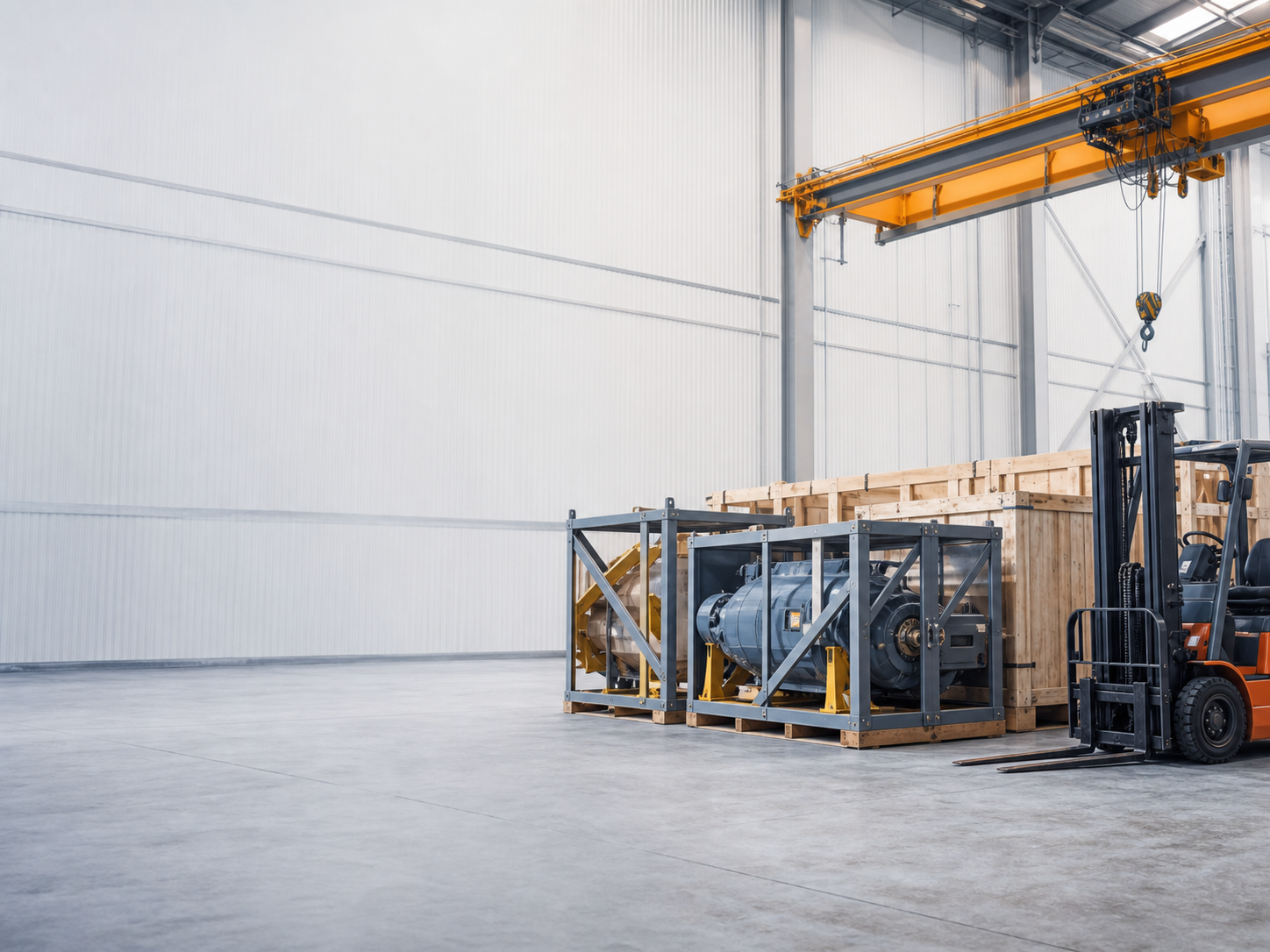
Out-of-gauge units routed on flat rack or open top with a lashing plan.
Devices and reagents checked against registration and storage range.
CKD kits and line-side parts on a cadence matched to consumption.
What changes by industry
Every industry has one thing that decides whether the shipment works. Find yours in the table, then open the page that deals with it in detail.
| Industry | Binding constraint | Usual answer |
|---|---|---|
| Electronics | Undeclared cells inside devices | Air, screened per SKU |
| Solar | Out-of-gauge structures and site readiness | FCL, phased delivery |
| Furniture | Volume accuracy and container fill | FCL above ~12–15 CBM |
| Machinery | Crated dimensions and lifting points | Flat rack or open top |
| Medical | Consignee registration and storage range | Air where range is tight |
| Automotive | Kit completeness and shipping cadence | Sea on a fixed rhythm |
How industry pages differ from a mode quote
Batteries, medical registration, and dangerous-goods classification decide whether a lane is available at all. Screening happens at intake, before a mode is quoted.
Corrosion protection, moisture control, stack limits, and crate specification are set per cargo type — not left to whatever the supplier does by default.
Whether the destination has a dock, a forklift, a crane, or a delivery appointment changes the plan. We confirm it while the cargo is still in China.
Send the cargo type, origin, destination, and target date. One agent replies with the handling model, the compliance checks, and compared modes within 24 hours.