20′ container
Dense, heavy cargo that hits the weight limit long before it fills the space.
Solutions · Sea freight
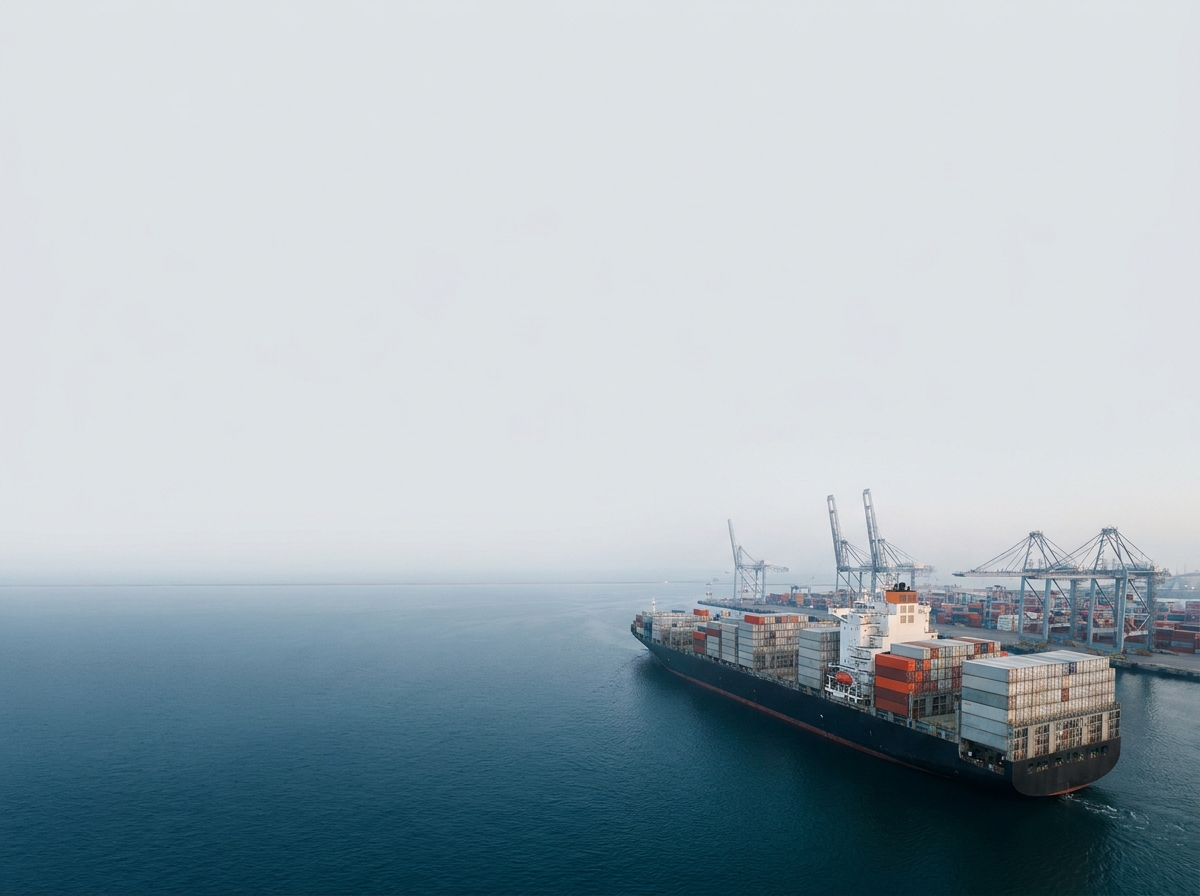
Ocean freight from Yantian, Shekou, Nansha, Shanghai, Ningbo, and Qingdao to every major port. We price the container, the customs entry, and the final mile as one number, because a port-to-port rate is not what you actually need to budget.
Container options
Below roughly 12–15 CBM consolidated freight usually wins on cost. Above it a full container normally wins on both cost and transit, and avoids consolidation handling entirely.
Dense, heavy cargo that hits the weight limit long before it fills the space.
The default for volume. High-cube adds height for bulky, light cargo like furniture.
Smaller or multi-supplier volume priced by CBM, with weekly consolidation out of Shenzhen.
Flat rack and open top for cargo that will not fit through a container door.
Pricing factors
Ocean freight is a published base plus surcharges, reshaped by season and capacity. Knowing which lever is moving tells you whether to book now or wait.
The ocean base freight plus bunker adjustment, which is fuel-driven and revised by carriers on a regular cycle.
Carriers file GRIs around peak season — before Lunar New Year, mid-summer, and ahead of Christmas. Booking in front of a GRI window is the single biggest cost lever you control.
Empty-container supply and cancelled sailings tighten space and push spot rates up. We book across all alliances rather than depending on one.
Vessel queues add days and demurrage. Sometimes the cheaper answer is a different discharge port and a longer truck leg.
Lane planner
Port-to-port planning ranges for FCL. Add origin pickup, consolidation, customs, and last-mile for the door-to-door picture — and add five to eight days if the cargo is moving LCL.
| Lane | Main gateways | Planning range |
|---|---|---|
| China → US West Coast | Los Angeles, Long Beach, Oakland, Seattle | 13–18 days |
| China → US East Coast | New York/NJ, Savannah, via Panama | 28–35 days |
| China → UK | Felixstowe, London Gateway, Southampton | 28–38 days |
| China → North Europe | Rotterdam, Hamburg, Antwerp | 28–38 days |
| LCL consolidation | Any of the above, priced by CBM | +5–8 days |
How it works
We measure the real volume and price both options, so the break-even is a number you can see rather than a claim.
Space is booked on a fitting sailing and the document set — invoice, packing list, classification, and any pre-arrival filings — is prepared to the deadline.
Vessel milestones, transshipment, and ETA changes stay in one thread. Blank sailings and delays reach you from us, not from a tracking page.
Customs entry, duty, drayage, and delivery to door, DC, or fulfilment centre are coordinated as part of the same plan.
FAQ
Transit ranges, FCL against LCL, what is in the rate, and when to book.
It depends entirely on the lane. China to the US West Coast is commonly 13–18 days port to port, the US East Coast 28–35 days via Panama, and northern Europe or the UK 28–38 days. Those are ocean-leg figures — add origin pickup, customs, and last-mile delivery for the door-to-door number, plus five to eight days if the cargo is consolidated.
FCL is a full container used by one shipper. LCL consolidates your cargo with other shipments and prices by cubic metre. LCL wins on smaller volume but adds consolidation and deconsolidation handling at both ends, which costs days and adds handling risk. Around 12–15 CBM is a reasonable place to start comparing, though bulky light cargo shifts the break-even.
Ours includes the ocean base freight, bunker adjustment, origin handling, documentation, destination charges, and — where you choose it — customs entry, duty, and final-mile delivery. What is excluded is stated explicitly. The surcharges to ask any forwarder about are GRI exposure, peak season surcharge, demurrage and detention terms, and who pays if the container is held for inspection.
Carriers file general rate increases on published dates, typically clustering before Lunar New Year, in mid-summer, and ahead of the Christmas peak. Booking ahead of a GRI window is the most reliable saving available on ocean freight. We flag upcoming windows on the lanes you ship rather than letting the rate move quietly.
Yes, and for most importers that is the only number worth comparing. A port-to-port rate leaves out customs entry, duty, drayage, and delivery — often a substantial share of the landed cost. We quote to the door, to a distribution centre, or to an Amazon fulfilment centre appointment as you prefer.
Ocean freight quote
Send the origin port, destination, and cargo volume. One agent replies with both options priced, the sailing, and the customs plan for the lane.
Send the origin port, destination, and cargo volume. One agent replies with both options priced, the sailing, and the customs plan for the lane.